· 6 min read · Chuck
Why are my lights flickering? What it means and when to worry
A flickering bulb, a dimming room and a whole house that flickers point to very different problems. Here's how to tell which one you have and how urgent it is.

Once it's dark by five o'clock, people start noticing their lights. A kitchen fixture that pulses, a hallway that dims when the furnace kicks on. Some of that is harmless. Some of it is the first sign of a loose connection heating up inside a wall or a panel.
The first question I ask is how much of the house is doing it: one bulb, one room, or everything.
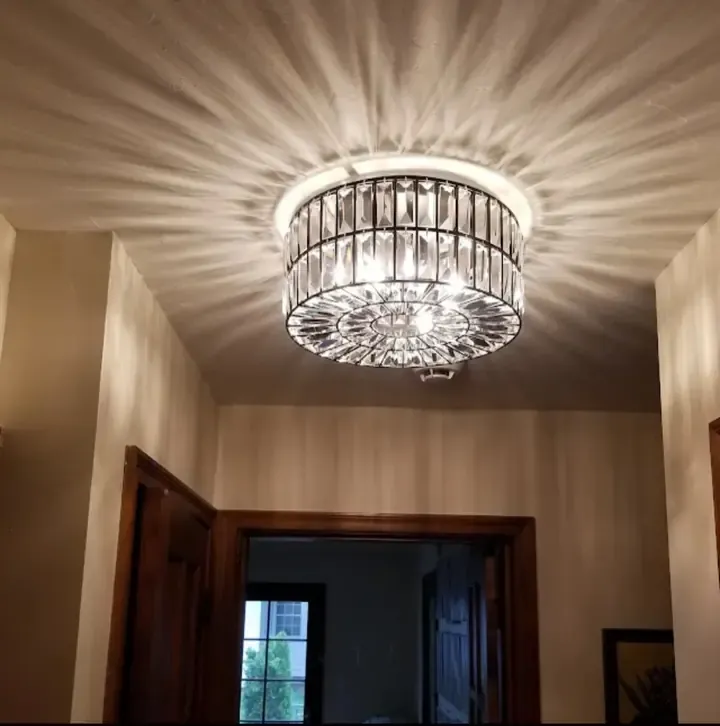
One fixture flickering
Start easy. Let the bulb cool, make sure it's snug, and try a bulb you know works. If the fixture is on a dimmer, the bulb and dimmer may not get along.
This is a common one since everyone switched to LEDs. Older dimmers were built for incandescent bulbs, and plenty of LED bulbs can't handle them. Lutron's troubleshooting guide puts it plainly: "Many LEDs are not dimmable. This includes smart, or connected, bulbs." Its guide also notes the LED may not dim as low as the dimmer, which is why some lights only flicker near the bottom of the slider. The fix is a bulb marked dimmable, a dimmer rated for LEDs, or both.
Sometimes the wiring is fine and the flicker is all about the bulb, the dimmer or the fixture itself. I'd rather tell you that than open up walls looking for a problem that isn't there.
"I called CFW Electric due to some flickering lights in our house. My main concern was safety and I did let Chuck know that and he was here within 15 minutes. He thoroughly explained everything he was doing and why, what causes what, etc. We weren't able to get to the bottom of why my lights were flickering as everything was checking out from an electrical standpoint, but he did come up with a solution to my problem and assured me that everything was okay from a safety standpoint. ..."
Erica H., 5-star Google review, December 2024
If a new bulb doesn't help and the fixture isn't on a dimmer, the problem is in the fixture's socket or the connection in the box above it. Loose wire nuts on a ceiling light are common, especially on fixtures somebody swapped themselves.
A whole room or one circuit flickering
When several lights and outlets in the same area flicker together, the problem is usually a loose connection upstream on that circuit. That might be at a switch, an outlet that feeds the next one down the line, or the breaker itself.
This is the one people should take seriously. A loose connection makes heat every time current passes through it. Feel the switch plates and outlet covers in that room. If any are warm, or you see brown marks or smell something like hot plastic, turn that breaker off and call. In older homes around Buffalo and Lackawanna I find a lot of backstabbed outlets, where the wire is pushed into the back of the device instead of wrapped around the screw, and those loosen up over the years.
Lights dim when something big turns on
A quick dip when the furnace blower, sump pump, well pump or microwave starts is common, especially if the light shares a circuit with it. Motors pull a burst of current for a second when they start.
What isn't normal is dimming that's deep, lasts more than a moment, or happens all over the house. That points to the service: the wires from the street, the meter, or the main connections in the panel. If your service is small and the house has added a lot of load over the years, my post on signs your home needs a panel upgrade covers what to look for.
Whole house flickering, or some lights getting brighter
If lights all over the house flicker, or some rooms get brighter while others dim, treat it as urgent. That pattern often means a loose or broken neutral on the service. With a bad neutral, one side of the house can see too much voltage, and that can cook electronics and appliances.
Unplug the TV and computers, turn off what you can, and call. The loose connection might be at the utility's transformer or drop, at the meter, or in the panel. If it's on the utility side, NYSEG or National Grid fixes it. If it's on your side, that's my job. After a windstorm, check whether the line to your house is sagging or the mast is pulled away from the siding. My post on what to do when a storm tears off your meter covers that.
A flicker that turns out to be the panel is a real fix, and it doesn't have to drag out.
"Was very quick to respond to the issue when i told him my lights had been flickering. He came out same day to inspect and set up for work to be done the next day. Had them upgrade the electrical box price was very fair and the work was completed quickly. ..."
Nathan O., 5-star Google review, February 2026
| Where it flickers | Likely cause | How urgent |
|---|---|---|
| One bulb or fixture | Bulb, dimmer or fixture connection | Low, try a new bulb |
| One room or circuit | Loose connection at switch, outlet or breaker | Soon, sooner if anything is warm |
| Brief dip when a motor starts | Startup current on a shared circuit | Usually normal |
| Whole house, or some lights brighter | Loose service neutral or bad main connection | Urgent, call right away |
What I check when I come out
I start where the symptom is and work back toward the panel: fixture, switch, outlets, breaker, main lugs. Checking voltage at a few outlets while the big loads cycle on shows quickly whether it's one circuit or the whole service.
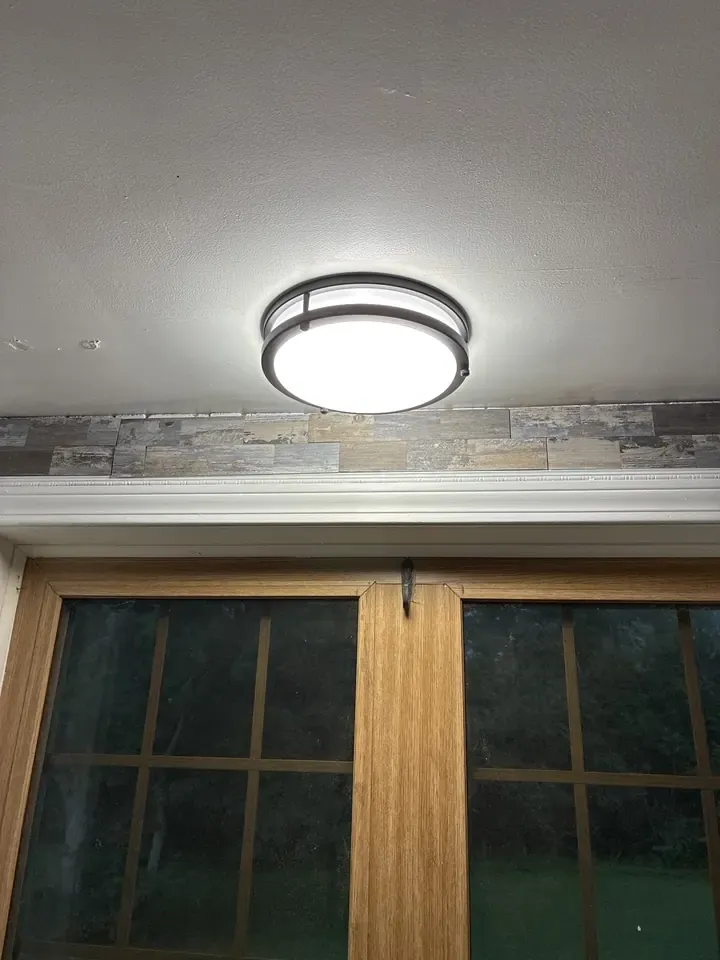
A bad fixture or dimmer can usually be swapped the same visit. Here's the lighting and fixture work I do. Or text me a short video of the flicker, which tells me more than a description.
Frequently asked questions
Are flickering lights dangerous?
One flickering bulb is usually a bulb or dimmer issue and isn't dangerous. Flickering across a whole room, or with warm switch plates or a burning smell, points to a loose connection that creates heat and should be fixed soon. Whole house flickering, or some lights getting brighter, can mean a bad service neutral and needs a call right away.
Why do my LED lights flicker on a dimmer?
Many LED bulbs are not dimmable, and many older dimmers were designed for incandescent bulbs. Some LEDs also can't dim as low as the dimmer goes, so they flicker near the bottom of the range. A bulb labeled dimmable paired with an LED rated dimmer usually solves it.
Why do my lights dim when the furnace turns on?
Motors draw a short burst of current when they start, so a quick dip on a shared circuit is common. Deep dimming, dimming that lingers, or dimming all over the house means the service connections or panel should be checked.
Who fixes flickering lights, the utility or an electrician?
NYSEG and National Grid handle their side, like the transformer and the service drop. The meter base, panel, wiring and fixtures are work for an electrician. When it's unclear, an electrician can test voltage and tell you which side the problem is on.
How quickly can someone look at flickering lights in Hamburg or Orchard Park?
CFW Electric is based in Derby and covers Hamburg, Orchard Park, West Seneca, Angola, Eden, Lake View, Lackawanna and Buffalo. Same day visits are common, and the phone is answered 24 hours for urgent problems like whole house flickering or a burning smell.